 Basic
Basic
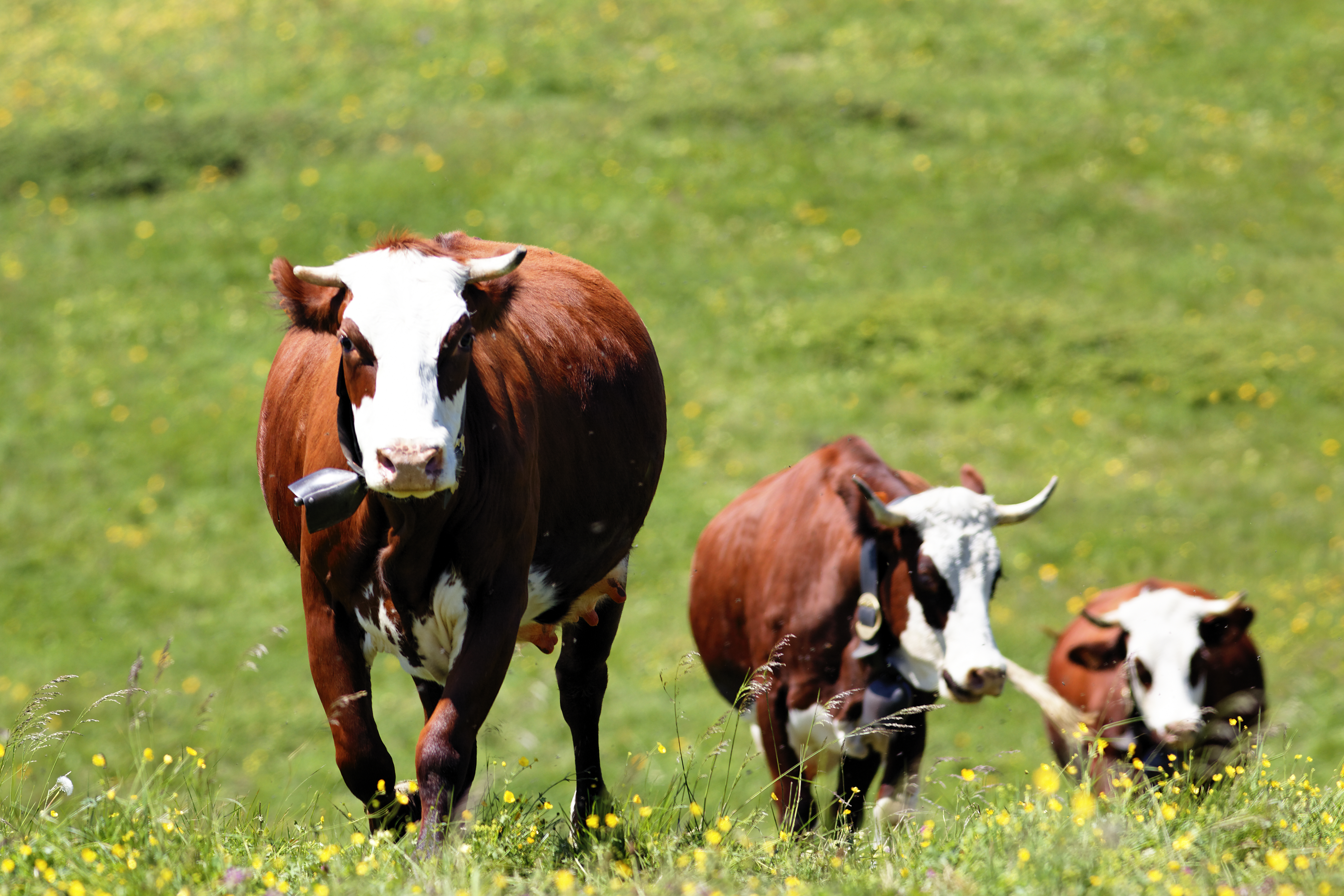
The Cattle Farming course provides students with a well-rounded understanding of the principles and practices involved in managing both beef and dairy cattle operations. Learners explore topics such as nutrition, breeding, animal health, infrastructure maintenance, and farm business systems. The program integrates theoretical knowledge with practical fieldwork, helping participants develop confidence in day-to-day farm management.
Students also study the environmental and biosecurity regulations that govern Australia’s cattle industry, ensuring full compliance with industry standards. With increasing demand for skilled cattle workers, this course equips graduates with the ability to handle livestock safely, manage herds efficiently, and apply sustainable production strategies. Graduates will be prepared to work in large pastoral enterprises, family farms, or livestock support services.
 Basic
Basic
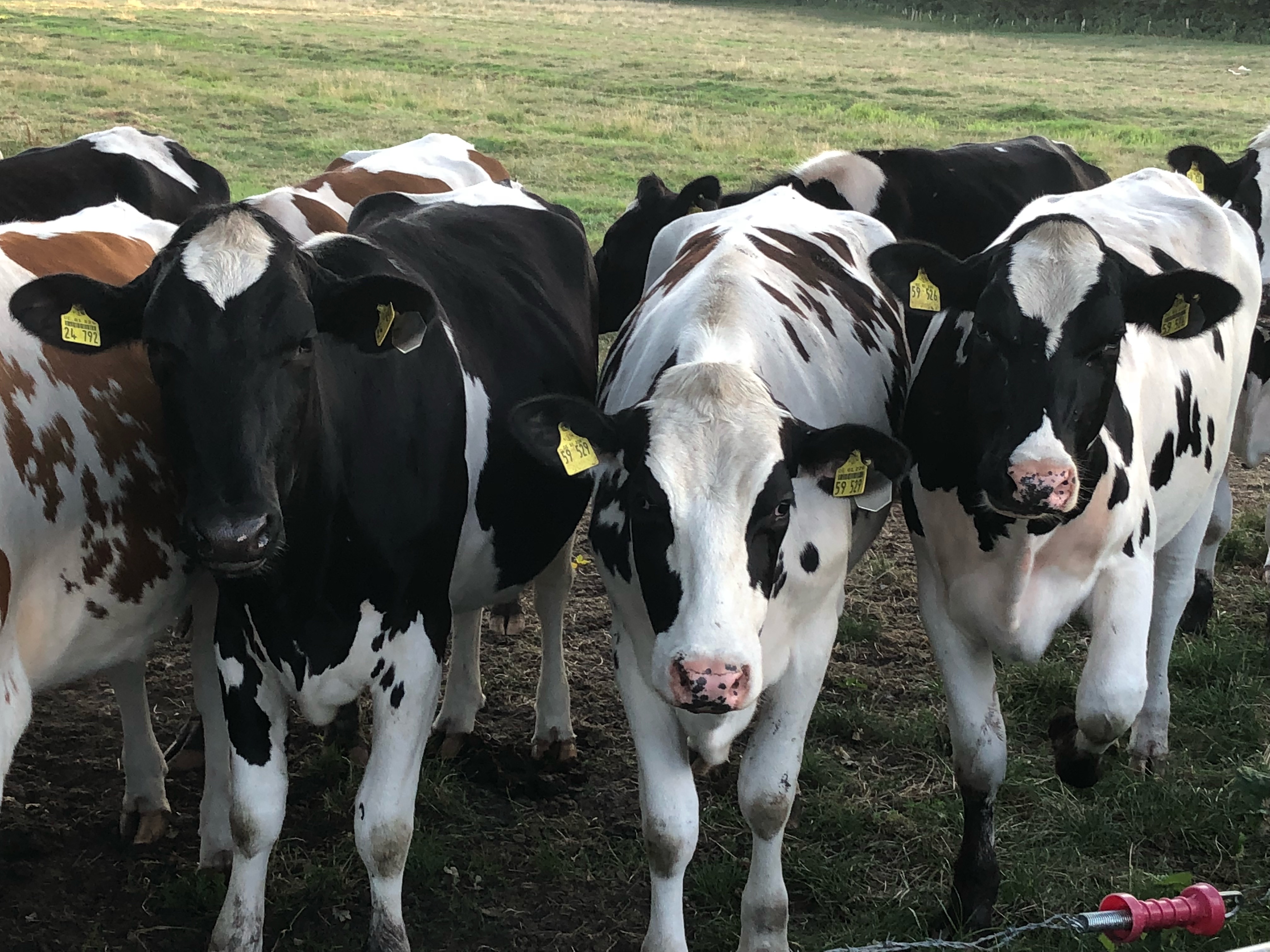
This specialised course focuses on the operation and management of dairy enterprises, combining technical training with an understanding of the Australian dairy industry’s standards and sustainability goals. Learners gain practical experience in milking routines, herd management, animal nutrition, reproduction, and milk quality assurance. The program highlights the use of modern technologies for automated milking, hygiene systems, and waste management, promoting both productivity and animal welfare.
Students will also learn about pasture improvement, water efficiency, and record keeping to support decision-making and compliance with regulatory frameworks. Designed for those aspiring to work in or manage dairy operations, this course builds the foundation for long-term careers in milk production, herd supervision, or dairy farm coordination.
 Basic
Basic
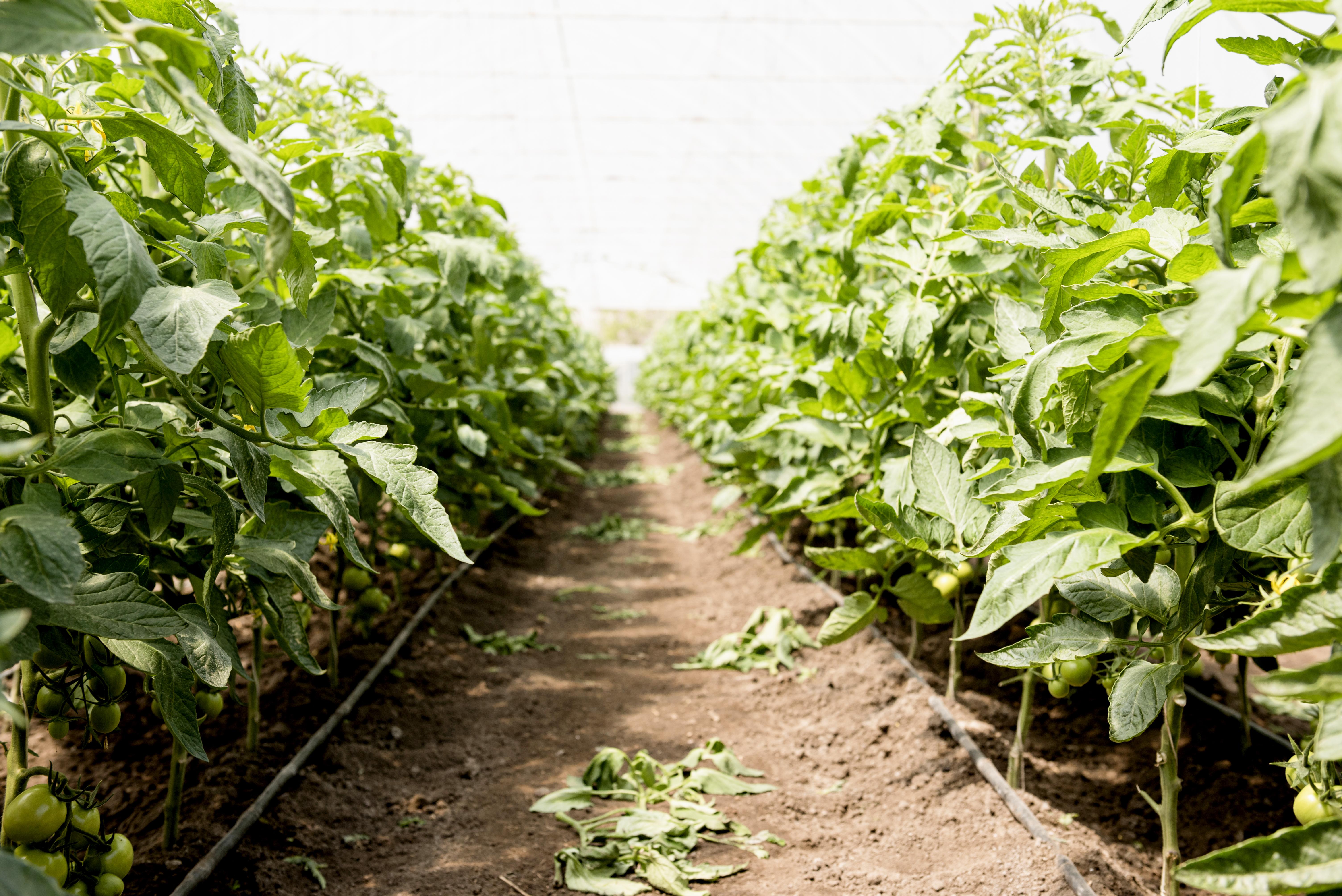
The Farm Management course develops the leadership, business, and strategic planning skills required to operate successful agricultural enterprises. Students will learn to manage people, budgets, farm infrastructure, and production systems efficiently. The program integrates business principles with practical agricultural knowledge, enabling learners to make informed decisions based on data analysis, market trends, and sustainability goals. Key areas include resource allocation, financial planning, biosecurity, WHS compliance, and environmental stewardship.
The course also covers emerging technologies and climate-adaptive management strategies used in modern agribusiness. Graduates will be capable of supervising farm teams, improving productivity, and driving innovation in farming operations. It suits those seeking advancement to managerial or consulting roles within the agriculture industry.
 Basic
Basic
This course provides a comprehensive introduction to organic and sustainable farming systems that promote environmental health and social responsibility. Learners will explore organic certification processes, soil regeneration, composting, crop rotation, integrated pest management, and biodiversity conservation. The program highlights the importance of reducing chemical inputs, maintaining ecological balance, and improving soil fertility through natural processes. Students will examine successful Australian case studies and apply practical methods to create sustainable farm plans.
The course is ideal for individuals passionate about eco-friendly agriculture, regenerative land management, and ethical food production. Upon completion, graduates will have the skills to implement sustainable practices, manage organic farms, and contribute to the growing green agribusiness sector.
 Basic
Basic
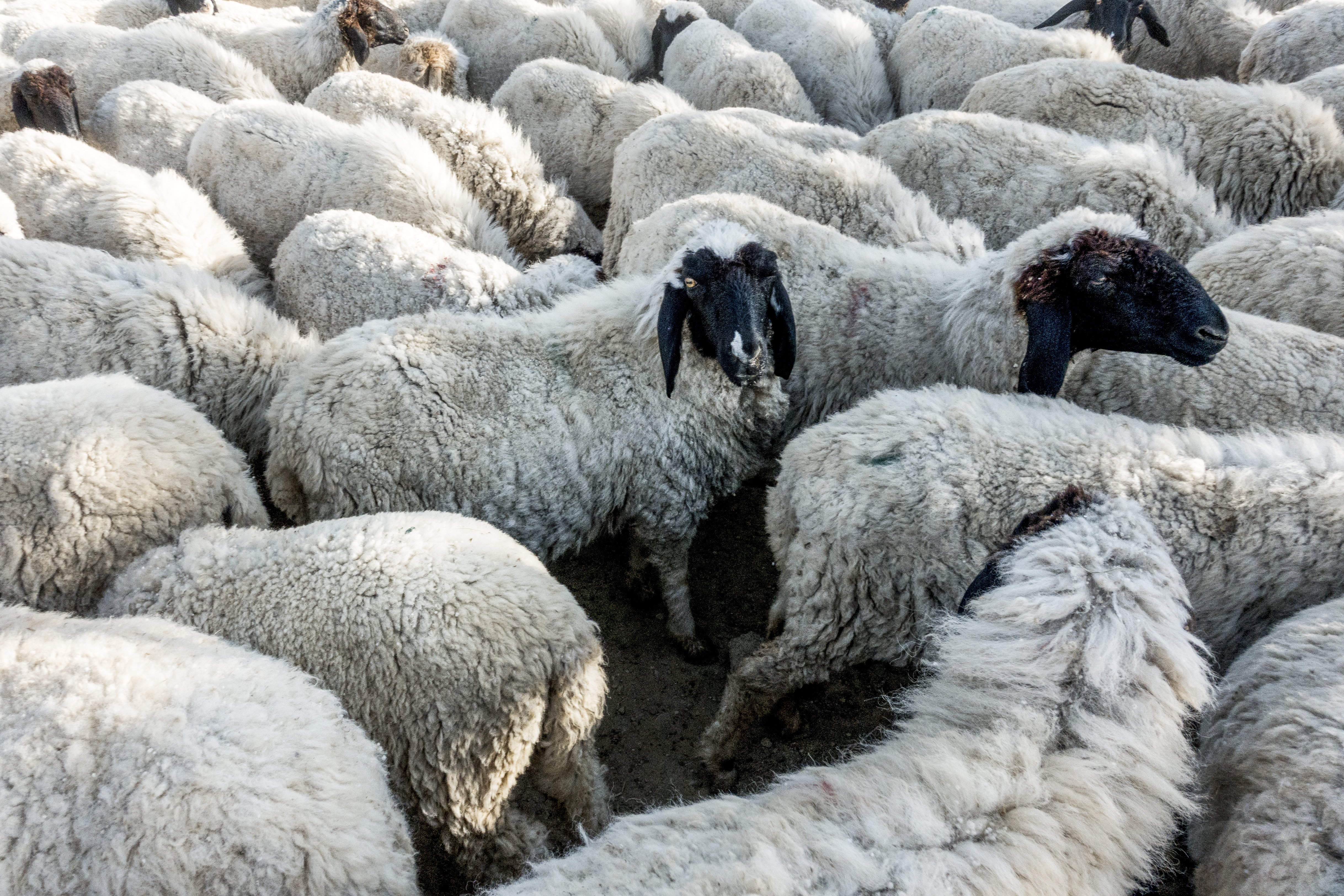
This course focuses on the integrated management of mixed livestock operations, particularly sheep and cattle enterprises common in Australia’s grazing regions. Learners will gain practical knowledge of animal nutrition, breeding, handling, and welfare management. The course covers pasture development, grazing systems, shearing operations, and biosecurity procedures designed to improve farm efficiency and sustainability.
Students will learn how to manage seasonal changes, water resources, and market demands while ensuring animal health and productivity. With an emphasis on hands-on training, learners will be prepared for work in mixed farming environments or larger pastoral enterprises. Graduates will possess the technical and managerial skills to contribute to Australia’s livestock sector through safe, ethical, and sustainable farming practices.
 Advanced
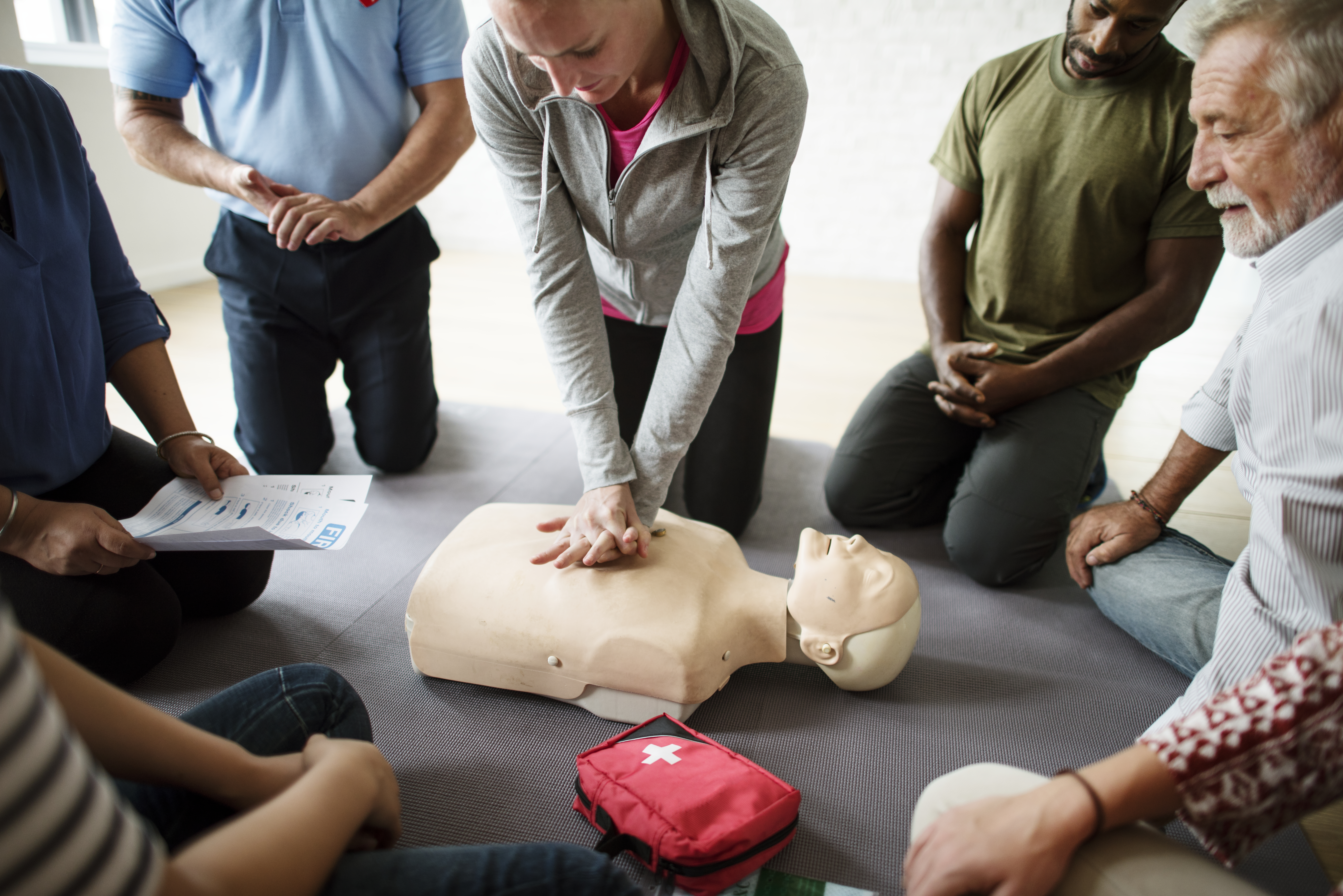
This course is ideal for individuals seeking essential first aid skills applicable in both workplace and community settings. The training includes theoretical study, hands-on practical exercises, and pre-course preparation to ensure readiness for real-life scenarios.
Important Information: This is the online theory component only. To receive the official certificate for HLTAID011 Provide First Aid including HLTAID009 Provide Cardiopulmonary Resuscitation (CPR) from Training4Work, you must complete the face to face practical training to finalise your competency.
Please book your face to face session using the link below:
👉 https://training4work.com.au/course/provide-first-aid/
 Basic
Basic
This course introduces learners to the foundations of adaptability, including how habits shape comfort with change, how emotions influence reactions, and how mindset affects behaviour. Learners will explore common workplace scenarios such as adapting to new colleagues, responding to sudden tasks, managing role changes, and adjusting to unfamiliar environments. They will also learn about core values, resilience, emotional responses, and how to maintain wellbeing while navigating change.
The course aims to strengthen confidence, self awareness, and practical strategies for managing change. Learners will practise techniques to handle uncertainty, remain solution focused, and communicate effectively during transitions. By the end of the course, participants will be better equipped to respond positively to workplace challenges, maintain professionalism, and take advantage of opportunities that come with new situations.
 Intermediate
AI Literacy for Employees is a practical workplace course designed to help staff understand, use, and evaluate artificial intelligence in a safe, responsible, and confident way. Modern organisations increasingly rely on AI assisted tools for communication, information processing, administration, customer service, analysis, and problem solving. This creates an essential need for employees to know how AI works at a practical level, how to use it effectively, and how to recognise its limitations and risks.
This course introduces learners to the core concepts of AI and explains how AI systems operate in everyday workplace tools. Learners explore the opportunities AI creates, such as improved efficiency and enhanced creativity, while also learning how to identify risks including bias, misinformation, privacy concerns, and over-reliance on automated outputs. The course helps employees understand the importance of human oversight, critical thinking, and ethical judgment in every AI assisted task.
Learners also examine the key skill areas that support safe AI engagement, including reviewing outputs for accuracy, managing sensitive information, asking strong questions, evaluating sources, and applying AI in a human centred way. The course provides applied examples and workplace based scenarios that help learners practise AI decision making in real contexts. By the end of the course, participants will be ready to work confidently with AI tools, support organisational safety standards, and contribute to an AI capable workforce.
 Intermediate
Creativity and innovation are essential capabilities in modern workplaces where employees are expected to solve problems, adapt to change, identify improvements, and contribute new ideas to organisational success. Creativity is the ability to generate original ideas, while innovation is the process of applying those ideas to create value. This course helps learners understand how creativity and innovation operate in practical workplace settings and teaches them how to use tools and techniques to strengthen creative thinking, improve collaboration, and build innovative solutions to work challenges.
The course introduces learners to the foundations of creative thinking, including divergent and convergent thinking, brainstorming techniques, reframing problems, and recognising opportunities for improvement. Learners will explore common barriers to creativity, such as routine thinking, fear of failure, or limited perspectives. They will learn how to overcome these barriers through structured thinking methods, reflective practice, and supportive communication.

Our customer support team is here to answer your questions. Ask us anything!

Hi, How can I help?